Nourishment Density
Vitamins and minerals per calorie. More is better. Nuts, beans, eggs and fish give back the most for what they cost.
PoorFairModerateExcellent
Easy food tracking
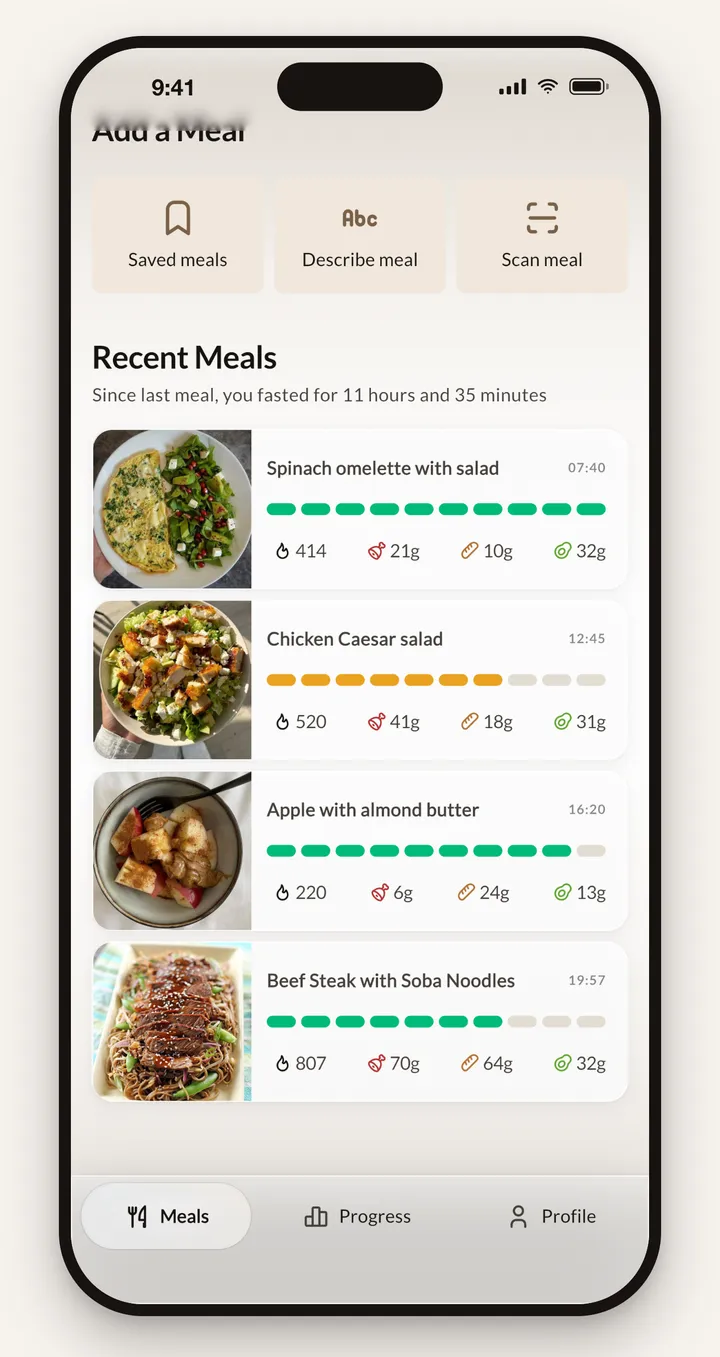
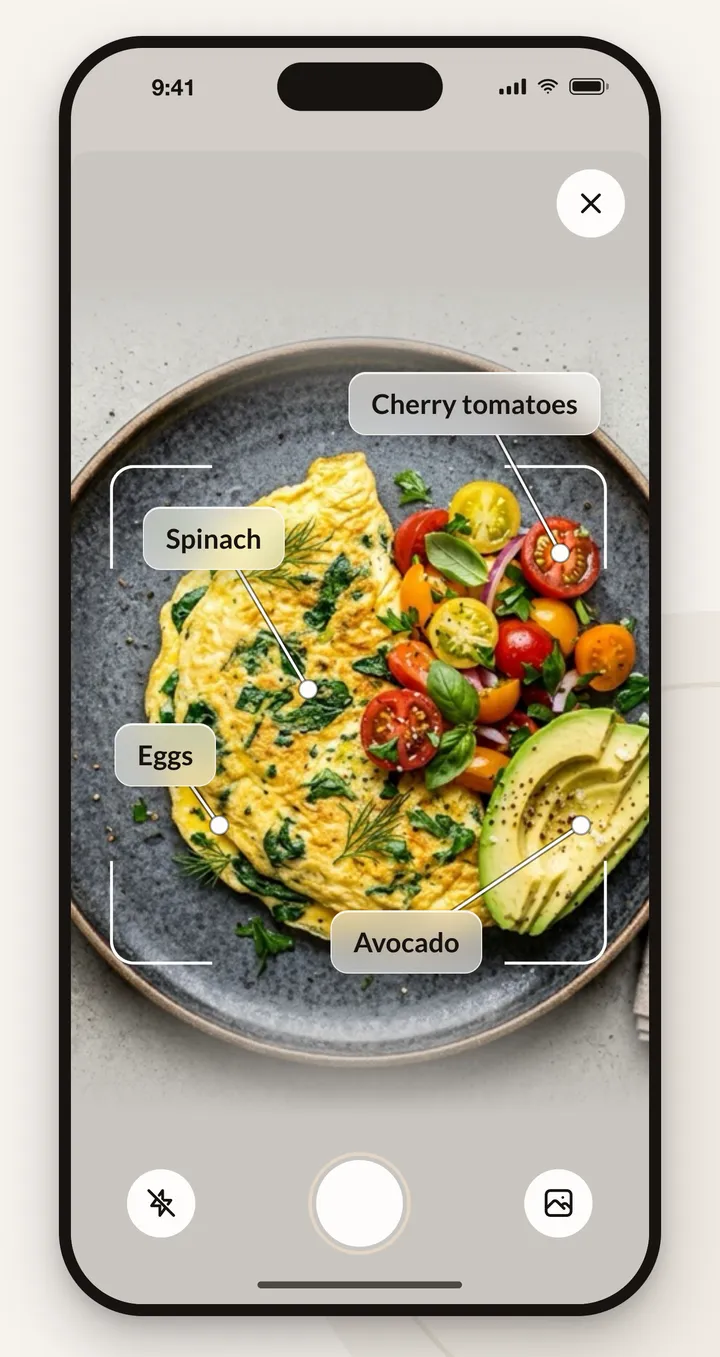
No typing, no weighing, no searching. AVO logs every food on your plate, amounts and all.


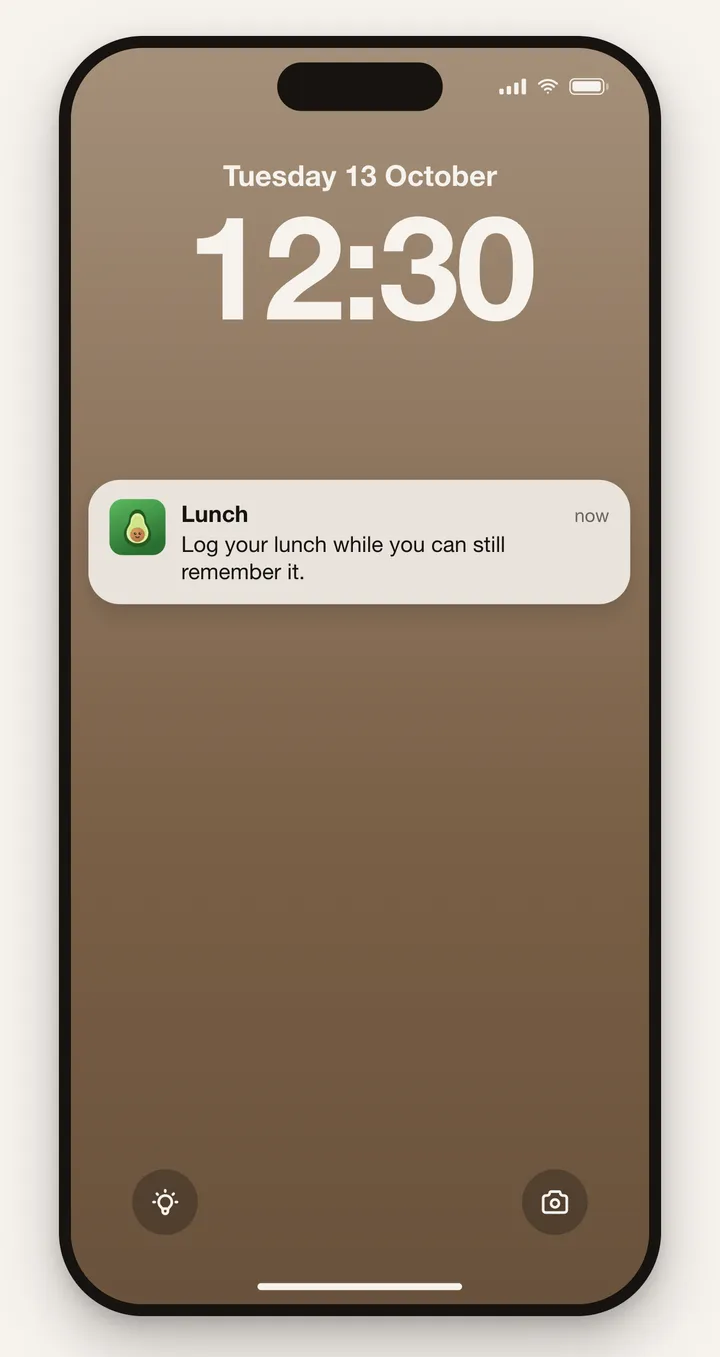
I quit tracking because I had to type in every single food.
When I eat out, I never know what to log.
Counting calories worked for a while. Then I stopped.
It was never you. It was all the typing.
How it works
You take the photo. AVO does the rest.
01
Take a photo of your plate. AVO finds every food on it.
02
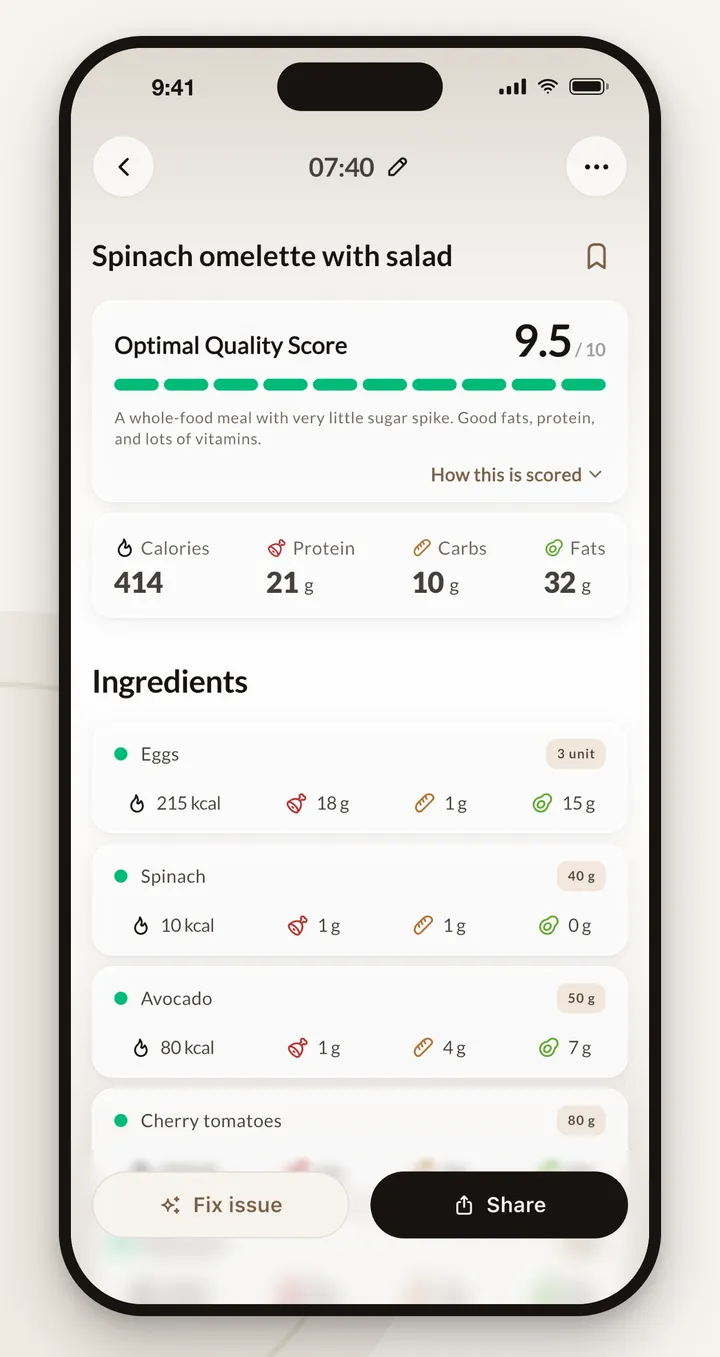
Every food is logged with its amount, calories and nutrients. Nothing to type.
03
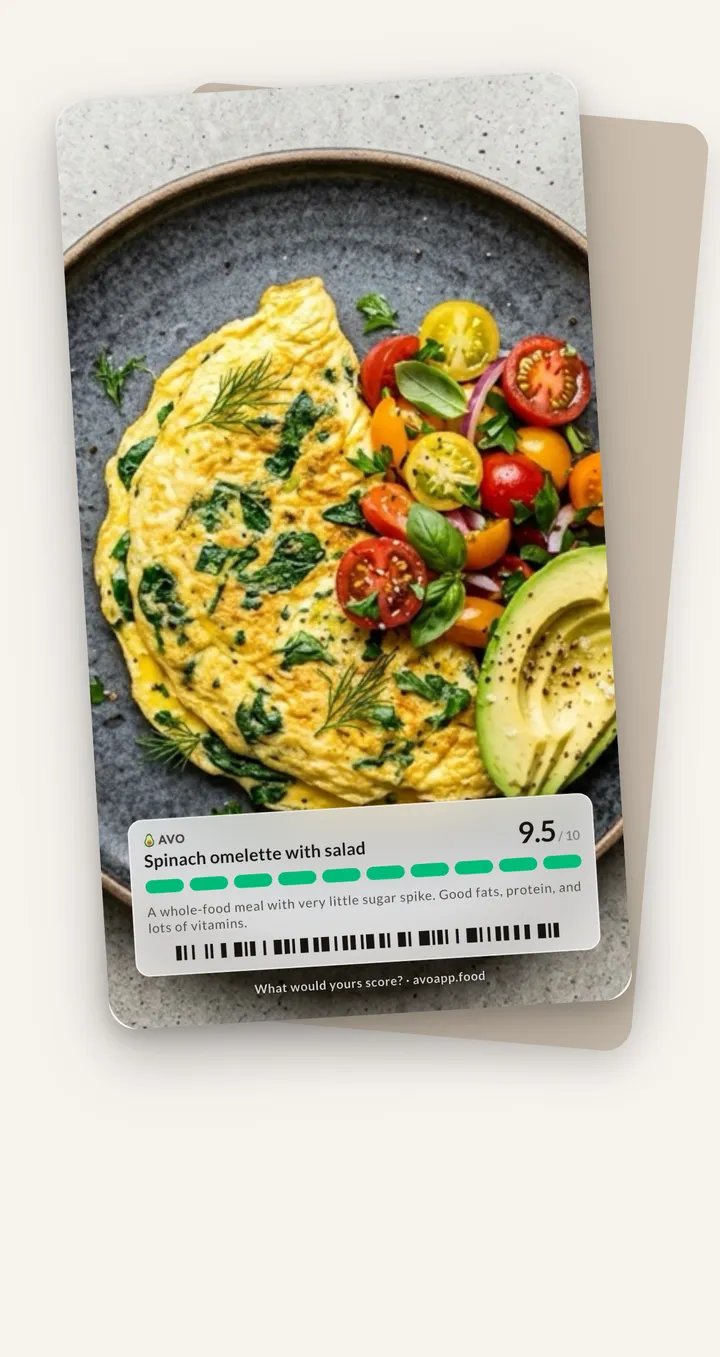
Every meal gets a score out of 10. Show yours, and ask a friend what theirs would score.
Informed by the best available science.

Optimal Quality Score9.5 out of 10
Vitamins and minerals per calorie. More is better. Nuts, beans, eggs and fish give back the most for what they cost.
Whole ingredients over things made in a factory. The more steps between a plant and your plate, the further up this scale a meal sits.
How fast a meal turns into sugar in your body. Slower scores higher. Protein, fat and fiber on the same plate slow it down.
Some foods keep your body calm. Some stir it up. This one weighs the two against each other, and oily fish moves it most.
“Diet quality matters far more than any single nutrient.”

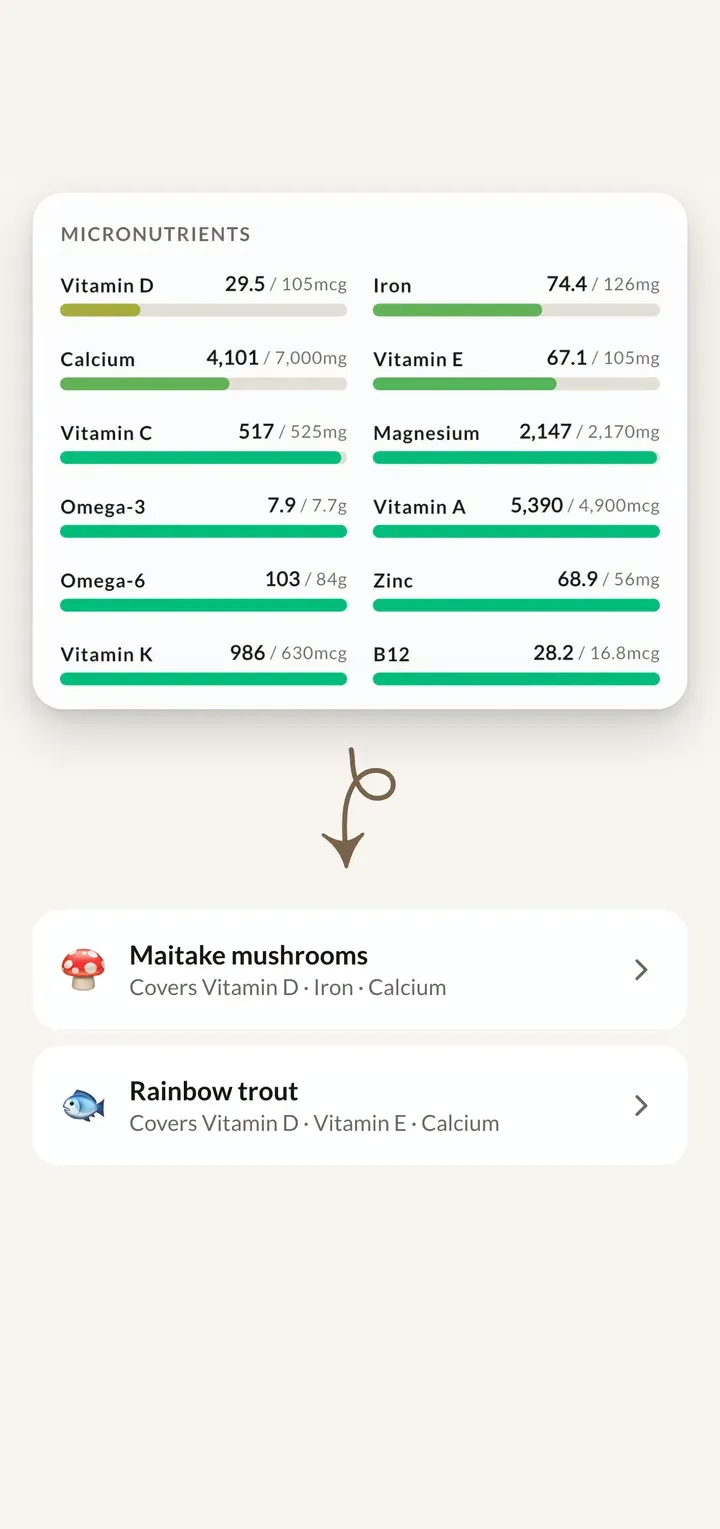
Keep it up for a week, and you will see what you keep missing.
Food Advisor
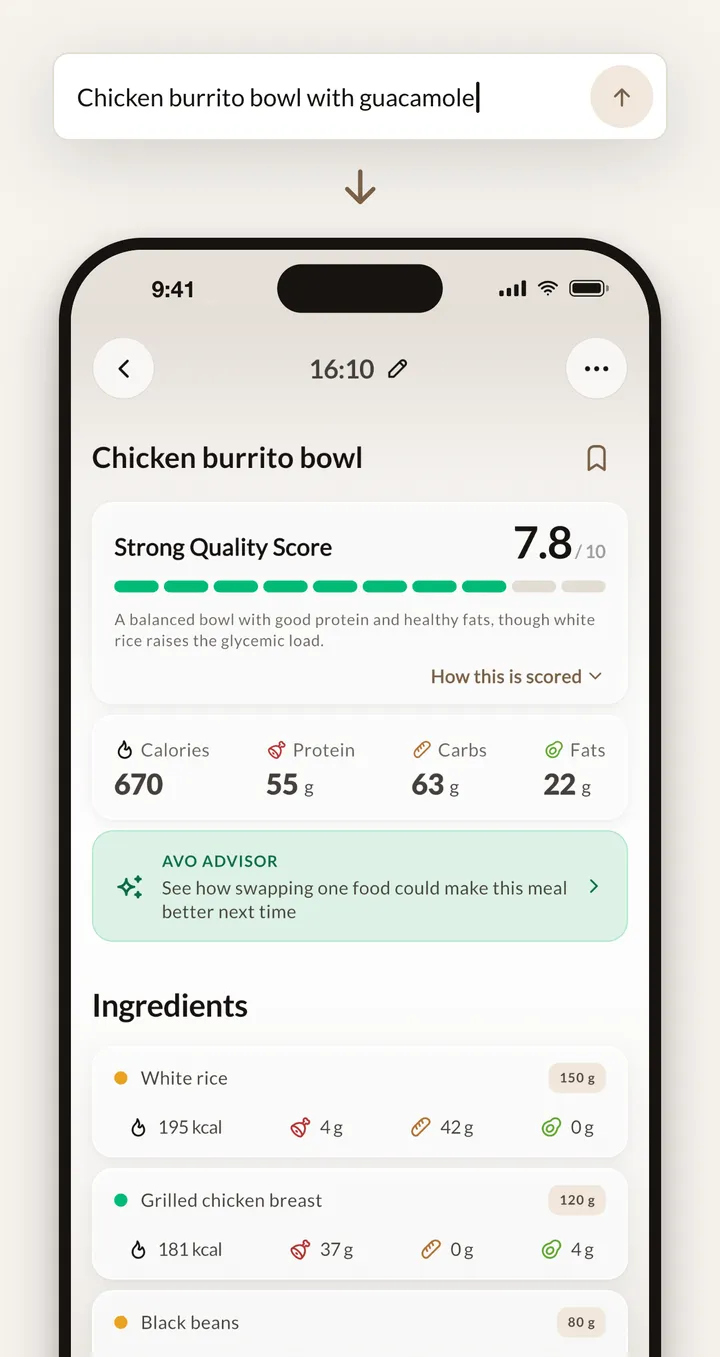
See how to improve your meal score next time.

Burger and fries
Instead of
Fries
Baked potato
Same potato, just baked instead of fried. You skip most of the fat.
No. AVO works out each amount from the photo. If one looks off, you can change it.
Just say what you ate, in your own words. AVO logs it the same way. It works for a meal out, or for lunch hours later.
Yes. Every meal shows its calories and macros, next to your daily goals. You also get vitamins and minerals, and a score out of 10.
Four things go into it. Nourishment per calorie. How processed the food is. How fast it turns into sugar. How it affects swelling in your body. Every meal has a “How this is scored” button with the whole breakdown.
No. AVO gives general nutrition information, not medical advice. Talk to your doctor before changing anything about your care.
3 days free, then a subscription billed by your app store. The store shows the price before you subscribe. Cancel anytime from the store, and you keep access until the period ends.
One photo a meal. That's the whole habit.